Showing posts with label classroom management. Show all posts

10 Benefits of Using Task Cards in the Elementary Classroom


If there’s one classroom tool I reach for again and again, it’s task cards. They’re simple, flexible, and incredibly effective at keeping students engaged while giving me the freedom to teach the way my students need. Over the years, I’ve used task cards in just about every setting—centers, small groups, whole‑class activities, intervention, early finisher time, and even sub plans—and they continue to be one of the most reliable, high‑impact resources in my room. The more I use them, the more I appreciate how much they support student learning, independence, and confidence. I am going to share my top 10 benefits of using task cards in your classroom.

10 Task Card Benefits for the Classroom

1. Exciting Engagement 🎉

I love how task cards instantly make learning feel fresh and fun. When I scatter cards around the room for a scavenger hunt or set up an “Around the Room” rotation, students light up. Even the most reluctant learners suddenly want to participate because the format feels like a challenge rather than an assignment. Each card gives them a clean slate, and that sense of novelty keeps them motivated and focused. It’s amazing how something so simple can shift the energy in the room.

2. Differentiation Made Easy 🎯

Differentiation can feel overwhelming, but task cards make it manageable. I can easily adjust the level of difficulty, mix review and challenge cards, or pull specific sets for small groups without creating separate worksheets for everyone. Students naturally gravitate toward the cards that match their confidence level, which gives them ownership over their learning. It’s one of the easiest ways I’ve found to meet students where they are without doubling my workload. 

3. Practice That Builds Mastery 📚

I’ve seen firsthand how repeated, bite‑sized practice strengthens understanding. Task cards give students multiple opportunities to revisit skills in a way that feels purposeful, not repetitive. Whether we’re using them for warm‑ups, exit tickets, or quick review sessions, students get focused practice that sticks. The short format helps them build confidence as they work through each card, and I can see their mastery grow over time.

4. Flexibility 🔄

One of my favorite things about task cards is how easily they fit into any part of the day. I use them during morning work, centers, early finisher time, small‑group instruction, and even homework. I keep a “fast finisher” bin filled with task cards students can grab independently, and it has saved me countless times. Whether I need something structured or something quick and spontaneous, task cards always seem to be the perfect fit.

5. Collaboration That Deepens Thinking 🤝

Task cards naturally encourage students to talk through their thinking. When they work with partners or small groups, they compare answers, explain their strategies, and learn from one another. I love listening to their conversations because I can hear their understanding deepen in real time. Even simple partner check‑ins turn into meaningful academic discussions that build confidence and communication skills.

6. Smooth, Student‑Centered Management 🧩

Task cards help my classroom run more smoothly. They’re quick, clear, and self‑contained, which makes them perfect for transitions, early finishers, or moments when the class needs a calm, structured activity. Once students know the routine, they can work independently without constant direction from me. It’s one of the easiest ways to keep the flow of learning steady throughout the day.


7. Prep That Saves Time ⏱️

As teachers, we don’t have time for complicated prep—and task cards respect that. They’re easy to print, laminate, and store, and once they’re ready, I can use them year after year. Students understand the format immediately, which means I spend less time explaining and more time teaching. Assessment becomes easier too because I can quickly check recording sheets or have simple conversations to gauge understanding without stacks of worksheets to grade.

8. Movement With Purpose 🚶‍♂️

Some of my favorite task card activities involve movement. “Scoot,” “Solve the Room,” and scavenger hunts get students up and moving while staying focused on the content. I’ve noticed that students who struggle with traditional seatwork often thrive when they can move with purpose. These activities help them stay alert, improve focus, and make learning feel memorable and fun.

9. Confidence Builder 🌟

Task cards help students take ownership of their learning. Because each card is approachable, students feel more willing to take risks and try challenging skills. They learn to pace themselves, check their work, and make choices about how they learn best. Over time, I see their confidence grow—not just academically, but personally. They begin to see themselves as capable learners who can tackle tasks on their own.

10. Assessment Made Insightful 🔍

Task cards give me quick, meaningful insight into student understanding. I can instantly see who’s grasping the concept, who needs more support, and which skills require additional practice. They’re perfect for warm‑ups, exit tickets, and informal checks for understanding. Instead of grading long assignments, I get clear snapshots that help me plan my next steps with confidence.

Try These Task Cards

If you’re ready to bring these ideas into your classroom, here are some of the task card sets I use the most:


Final Thoughts

Task cards continue to be one of the most versatile and effective tools in my elementary classroom. They’re engaging, flexible, easy to implement, and incredibly powerful for differentiation and skill mastery. Whether I’m teaching reading, math, vocabulary, grammar, or problem‑solving, task cards help me create a classroom where students feel confident, capable, and excited to learn. Their simplicity is their strength—and their impact is undeniable.


iReady Incentive Ideas: Ways to Boost Student Engagement

iready punch cards and reward tags

This year, my school district implemented the iReady program across all grade levels. It has been an ever evolving journey to find the right fit and engagement for my students to get the most success out of the lessons. Throughout the year, I have been tweaking and changing the incentives in our classroom to get the maximum benefit of the program for as many of my students as possible. Here are a few things you need to know before we continue:

1. iReady is required for 45 minutes in BOTH reading and math each week per my district.
2. We only use the diagnostic tests and adaptive MyPath lessons. 

When we started using this program at the beginning of the year, my students weren't very interested in completing their lessons. There was no incentive for them to complete them. I needed to find something quick. I searched the internet and Instagram to get ideas and then tweaked a few to work for my classroom.

INCENTIVE #1: PUNCH CARDS

Punch cards serve as a tangible and visual reminder of the progress and effort students are making to reaching their goals. It motivates them to complete their iReady lessons consistently. Here a few ways I have implemented them effectively in my classroom:

Set Clear Goals: The goals must be achievable and reasonable. My students must complete 45 minutes of BOTH reading and math lessons.

Celebrate Milestones:  If they reach the goal, they get $1 of our school wide money called Cougar Cash (total of $2 possible for completing minutes). On Friday morning, I have a "mini-conference" with each student. They bring me their punch cards from the pocket chart. We quickly look at how many lessons they passed and mark their punch card. When they have passed 10 lessons, they receive $5 of Cougar Cash. Once they fill up a card, I check it off so I know they received their money and they can take it home to show their family members. 

iReady punch cardsfree iready incentives


INCENTIVE #2: REWARD TAGS

Reward tags are another way to incentivize students to reach their goals. It adds an element of fun and excitement to the learning process. Here are a few ways to incorporate them into your classroom:

Establish Clear Goals: Define the criteria for students to earn the reward tag. My students get one for every 30 lessons passed. 

Showcase Success: Display student reward tags in the classroom to show off their achievements and learning goals. As they collect the reward tags, you are building a sense of accomplishment and pride for each student. 

iready reward tags

Are you ready to get started with iReady incentives in your classroom? Grab the reading and math punch cards and reward tags by clicking on the image below.

free iready punch cards and reward tags

I hope you can use some of these ideas in your classroom and adapt them to work for you and your students as you embark on motivating your students on their iReady journey. 

Collaborative Learning: Student Groupings Made Simple

how to create student pairs

How many times have you taught a lesson where students need to form a group or pair up with one another and you hold your breath because you just aren't sure how this is going to work? Usually students pair up with their bestie, don't even move from their seat, or argue with one another. As a student, my stomach would drop when my teacher would say, "Find a partner." Can you relate? In this  post, you will learn why student groupings are important, a few easy and effective ways to make student groupings, and ways to use student groupings to enhance the learning in your classroom.

WHY STUDENT GROUPINGS MATTER

1. Diverse Perspectives: Partnering or grouping students diversifies the range of perspectives that contribute to discussions and problem-solving. This exposure to different viewpoints allows students to learn from one another's unique insights.

2. Collaborative Skills: Collaboration is a skill that extends far beyond the classroom. By working together on tasks and activities, students develop essential skills like communication, compromise, and teamwork that are invaluable in their future.

3. Peer Teaching: When students collaborate, they often teach each other in informal ways. This strengthens their understanding of the material as they explain concepts to their peers, reinforcing their own learning while building confidence.

4. Increased Engagement: Collaborative activities break the monotony of traditional teaching methods. Students become more engaged as they actively participate, share ideas, and contribute to their peers' learning experiences.

5. Sense of Belonging: Partnering or grouping students creates a supportive environment where they can connect with their peers. This sense of belonging enhances their overall well-being and encourages them to express their thoughts and opinions without fear.


WAYS TO USE STUDENT GROUPINGS

1. Group students randomly.

2. Pair students who have things in common, but may not realize it yet.

3. Combine students who have mastered concepts with students who are still struggling.

4. Pair a patient student with student with behavior concerns.

5. Pair struggling students together to practice reading or math fluency.


CREATE THE PERFECT STUDENT GROUPINGS

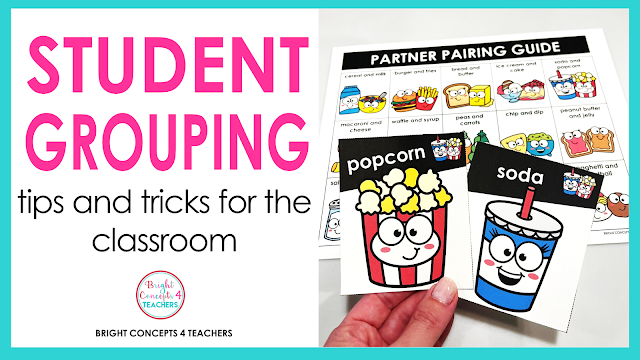
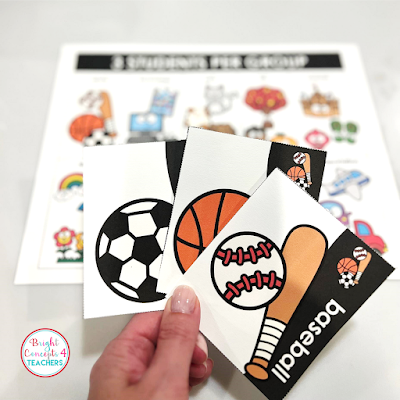
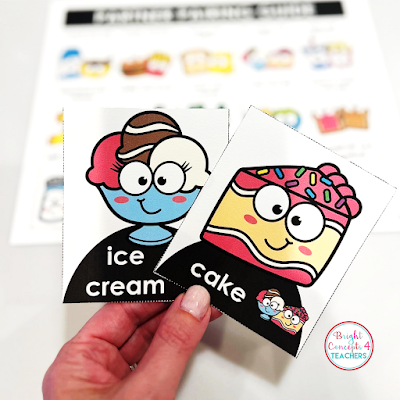
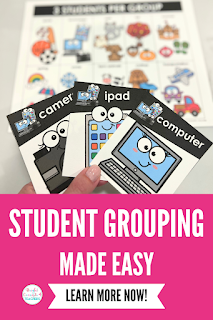
Using partner cards or student grouping cards is the perfect way to eliminate the chaos when creating collaborative groups. You can pre-plan groups OR you can randomly hand out picture cards and have them find their partner or group.

student grouping cards

1. Pre-planned Groups: To use this strategy, make a list and hand out one of the picture cards to each pair or group of students. It appears "random" to the students, but you have strategically grouped them!

2. Random Groups: Looking for something less structured? Randomly hand out a picture card to each student and watch them pair up. This method allow students to work together who may not normally choose one another, yields itself to collaboration, and provides structure when grouping students. 

Student Grouping Cards

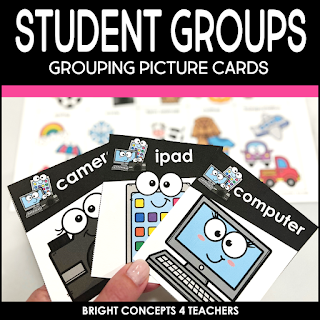
These picture grouping cards are perfect to create pairs, groups of 3, 4, 5, or 6 students. Each card has a large picture, written word, and small picture of the pairings and comes with answer posters. These cards can be laminated and/or glued onto popsicle sticks to make it easy for students to hold. All of these tools are part of the Student Grouping Cards resource.


Incorporating student partnerships and groups into your classroom doesn't have to be complicated. Collaboration is a crucial life skill and as educators it is our job to help our students learn the skills to do it successfully. I hope these tips and tricks help you to effectively utilize groupings in a meaningful way into your classroom. 

{DON'T FORGET IT! PIN IT!}


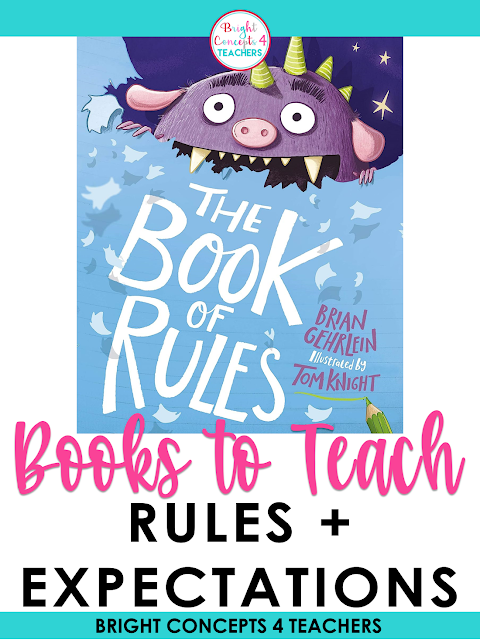
Read Alouds To Teach Rules and Expectations

Rules and expectations read alouds

At the beginning of a new school year, it is always important to create a positive and inclusive classroom community. A crucial step towards achieving this is by establishing clear rules and expectations right from the start. To make this process more engaging and enjoyable for your students, incorporating read-aloud books into your lessons can be an effective strategy. I have put together a list of the best read-aloud books that not only convey important lessons about rules and expectations but also help build a strong classroom community. All the books below come with an affiliate link to Amazon.

Books about rules and expectations in the classroom

This book is an excellent starting point for discussing classroom rules with your students. This clever and interactive book introduces a range of rules through witty rhymes and colorful illustrations. By exploring different scenarios, it encourages students to think critically about why rules are necessary for a harmonious learning environment. The book also encourages students to contribute their ideas, fostering a sense of ownership in the rule-making process.


books to teach rules and expectations for the classroom

In this thought-provoking read-aloud, Ellen Javernick explores the impact of our actions on others. It helps students understand the consequences of not following the rules and highlights the importance of making responsible choices. Through engaging illustrations and relatable examples, "What If Everybody Did That?" teaches empathy and encourages students to consider how their actions can contribute to a positive classroom environment.


books to teach rules and expectations in the classroom

This book takes a humorous approach to address the common tendency among some students to believe rules don't apply to them. By sharing the story of a mischievous young boy named Noodle, the book highlights the importance of respecting and following rules. Through Noodle's experiences, students learn valuable lessons about the benefits of rules and the consequences of disregarding them.


books to teach rules and expectations

This story is an engaging read-aloud that introduces essential classroom rules in a relatable and entertaining manner. With lively illustrations and a lovable protagonist named Percy, this book addresses various scenarios that students may encounter during the school day. By focusing on the positive outcomes of following rules, it motivates students to embrace responsible behavior and create a supportive learning environment together.


books to teach rules and expectations

This heartwarming story of a safety officer and his trusty canine companion, Gloria, emphasizes the significance of teamwork and following safety rules. Officer Buckle's presentations at school become engaging and memorable when Gloria starts acting out each rule, leaving the students in giggles. This book encourages students to actively participate in rule discussions, promotes cooperation, and demonstrates the value of everyone's contributions to the classroom community.


Books to teach rules and expectations


This books offers a fresh perspective on the importance of communication and problem-solving within the classroom. Through an imaginative narrative, Julia Cook explores the concept of tattling versus reporting and encourages students to think before they speak. By promoting open dialogue and teaching conflict resolution skills, this book fosters a sense of trust and understanding among students, allowing for a more cohesive classroom environment.


classroom rules and expectations books

In this delightful and creative story, students learn about the boundaries and responsible use of classroom materials. The story follows a young boy named Matty who becomes overly enthusiastic with glue during an art project. The book highlights the importance of following instructions and demonstrates the impact of our actions on the learning experiences of others. It promotes responsibility, respect, and self-regulation among students.


books to teach rules and expectations in the classroom

This story is a humorous tale that explores the concept of respectful communication and active listening. With colorful illustrations and an endearing father-daughter relationship, this book helps students understand the importance of taking turns and showing respect for others' ideas. By encouraging patience and empathy, it strengthens the sense of community in the classroom and fosters a positive learning environment.


Using read-aloud books to introduce and reinforce rules and expectations is a powerful tool for elementary teachers. By incorporating these stories into your lessons, you can create an engaging and supportive learning environment where students thrive both academically and socially. Happy reading!

{DON'T FORGET IT! PIN IT!}


Classroom Management Tips and Tricks

Classroom Management Ideas

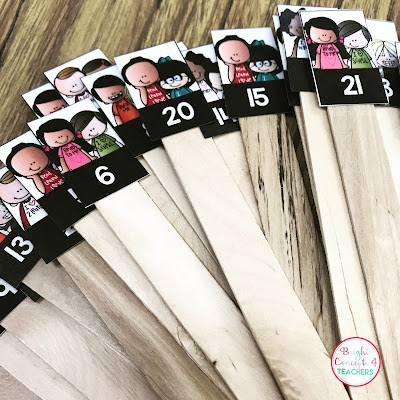
STUDENT NUMBER STICKS
I love using classroom numbers to help with organization! This seems to be a very controversial topic among educators, however they are a life saver for me. I do not call on my students by number. They do not write their number on papers. The numbering system is solely used for organization. It allows me to number students cubbies, so I don't have to relabel everything at the start of the school year, or when a new student enters our class. You can read all about how I use student number sticks HERE.

student number sticks


VOICE LEVEL CHART
Have you ever had the most chatty class in the world? I did one year and it made me implement a classroom voice level chart immediately! The kids love the chart with the tap lights. I usually pick one student to be in charge of the lights so I don't have to monitor it as much. It provides a great visual for my students and serves as an excellent reminder. You can read all the details on how to make your own voice level chart HERE. 

classroom voice level chart


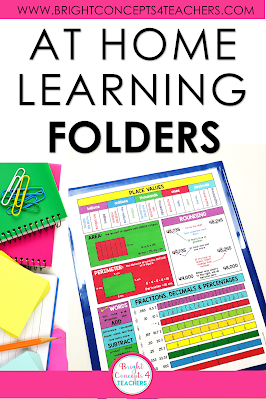
Connecting the learning in the classroom to the learning that continues at home is critical. I LOVE using learning folders that have all the important learning information at students' fingertips. On the front side of the folder, I also include user names and passwords for regularly used sites. I love the folders with plastic covers, so I can insert learning resources they will need throughout the year. The folders can be found on Amazon or Target.

take home folders


HAND SIGNALS
One of my biggest pet peeves is being interrupted during direct instruction time or small group time for something as simple as:
  • getting a tissue 
  • sharpening pencil
  • going to the bathroom
  • getting a drink of water etc. 
I implemented hand signals into my classroom routines several years ago and it has cut down on interruptions, dramatically! I keep it simple with only 4 different choices. I have used Keeping It Captivating Editable Hand Signals for years and love them!

REWARD TAGS
Reward tags provide such an easy way to recognize great student behavior and accomplishments. Each of my students has a ring in the front of that classroom to keep their reward tags on, as they collect them throughout the year. The best thing about reward tags is they are versatile, inexpensive, and can be given for any reason! I am obsessed with ALL the reward tags from Aimee at Primarily Speaking! 


I hope these ideas inspire you and help you stay organized, so you can spend the most time teaching your amazing students!


{DON'T FORGET IT! PIN IT!}


Assessment Tips for Distance Learning

As a new school year begins with distance learning, there are so many questions to be answered about assessment logistics and more importantly, accuracy of the results. We are going to be starting our beginning of the year assessments in the coming weeks and I am still unsure of what it looks like. One thing I do know, I need my data to be as accurate as possible. 

assessment tips for distance learning

TIPS FOR GIVING ASSESSMENTS DURING DISTANCE LEARNING


ENCOURAGE STUDENTS TO DO THEIR BEST: Let students know these assessments are to help you teach them this school year. All they need to do is their best work. Scores don't matter. This will lower their anxiety levels too. 


A QUIET PLACE TO WORK FREE OF DISTRACTIONS: This may be easier for some students than others. However, whenever possible, a test taking environment free of siblings, pets, toys, etc. will  help a child focus on the test they are taking online and therefore give more accurate results.


CHECK YOUR TECH: It is important for students, parents, and teachers to make sure they know how to use their technology, especially during assessments. Can multiple windows be opened at once? Do your students know how to click between the different windows? Do teachers know how to share their screen so students only see the test and not where they are marking assessment results? This takes time and practice to set up.


GET PARENTS ON BOARD: Parents need to understand the importance of these assessments. The results need to be accurate, so we can guide our instruction. If parents are prompting, reading, and giving their child answers during the tests, the effort will all be for nothing. Our students have basically missed five months of school. It's pretty safe to say, it should not be the norm to move up five reading levels in that time! In order for there to be a chance for accurate testing results, we need the parents help! I created a list of guidelines to help parents understand the DOs and DON'Ts of how they can help their child during assessments!


I am emailing these guidelines out to my parents just before we start testing. The intention is to inform parents the best way to "help" their children in order to get the most accurate assessment results.

You can gain access to this FREE resource by putting your email into the pop up form that is on your screen when you first come to my blog. You will be emailed a password and gain access to this resource, as well as, many more distance learning resources, which you can download for FREE! Already a subscriber? Just enter the password into the SUBSCRIBER RESOURCE LIBRARY link at the top of the page.

How are you preparing for distance learning assessments? I would love to hear from you!


{DON'T FORGET IT! PIN IT!}


Tips & Freebies for Distance Learning At Home

Considering all that is going on in the world right now with COVID-19, I know most schools have started to implement a digital distance learning platform for awhile. I thought I would put together some online resources I am using with my students and share some strategies I am using with them. 
I have also included some freebies at the end, as well!


It is important to keep in mind that we all have very different student populations. I work at a Title 1 school, but I have many students that have access to technology at home, as well as many students who do not. During this time, our school has made devices accessible for all students by lending them out if parents came to sign for them and pick them up. Also, I know many internet companies, are providing free internet access to students for distance learning. 

 AMAZING ONLINE TOOLS:

PODCASTS
Podcasts are a great learning tool for students to use at home. Choose a podcast for your students to listen to (or have them choose from a variety you give them) and have them fill out a quick podcast brochure to document what they learned. Podcasts are high interest and engaging. They allow students to practice and hone in on those listening skills, while creating independent choice and  allowing them to reflect on their learning. Some favorite podcasts are:
  • But Why? A Podcast for Curious Kids
  • Brains On! Science Podcast for Kids
  • KiDNuZ
  • What If World
  • Story Time


KHAN ACADEMY
Khan Academy is a free site I use to help supplement math curriculum for my students. There are short videos which teach lessons and can be followed up with practice exercises and quizzes. It can be tailored to individual student needs and provides extra practice with concepts taught in class.

NEWSELA
Newsela is a subscription program that is currently FREE during distance learning! It offers meaningful, high-interest non-fiction articles that meet students at their reading level. At the same time, it combines real-time formative assessments with the differentiation your students need to be successful!

VOOKS
Vooks is an amazing online site which brings storybooks to life for children ages 2-8! The library is ever growing and helps students with their pacing of reading, connections between words and text and most importantly, life lessons. Use the link to sign up for your FREE subscription TODAY!

MYSTERY SCIENCE
My students LOVE Mystery Science. Right now, they are offering several free lessons and mini lessons to teachers and parents for use at home during the time of coronavirus. Click HERE to access them.

BRAINPOP
Brainpop is currently offering FREE use during this time. It has engaging videos on various subjects to help teach different topics and skills. You can attach a link to Google Classroom, your district online system, a message or even to an email.

SCHOLASTIC
Scholastic has made many of their resources free for teachers to use during school closures. Make sure to check them out at Scholastic Learn At Home: Free Resources.

Here are 3 FREE resources to help you get started with Podcasts and Distance Learning Norms and Lesson Planning. You can get access to these resources by putting your email into the pop up form that is on your screen when you first come to my blog. You will be emailed a password and gain access to these resources and many more, which you can download for FREE!


{DON'T FORGET IT! PIN IT!}