10 Benefits of Using Task Cards in the Elementary Classroom


If there’s one classroom tool I reach for again and again, it’s task cards. They’re simple, flexible, and incredibly effective at keeping students engaged while giving me the freedom to teach the way my students need. Over the years, I’ve used task cards in just about every setting—centers, small groups, whole‑class activities, intervention, early finisher time, and even sub plans—and they continue to be one of the most reliable, high‑impact resources in my room. The more I use them, the more I appreciate how much they support student learning, independence, and confidence. I am going to share my top 10 benefits of using task cards in your classroom.

10 Task Card Benefits for the Classroom

1. Exciting Engagement 🎉

I love how task cards instantly make learning feel fresh and fun. When I scatter cards around the room for a scavenger hunt or set up an “Around the Room” rotation, students light up. Even the most reluctant learners suddenly want to participate because the format feels like a challenge rather than an assignment. Each card gives them a clean slate, and that sense of novelty keeps them motivated and focused. It’s amazing how something so simple can shift the energy in the room.

2. Differentiation Made Easy 🎯

Differentiation can feel overwhelming, but task cards make it manageable. I can easily adjust the level of difficulty, mix review and challenge cards, or pull specific sets for small groups without creating separate worksheets for everyone. Students naturally gravitate toward the cards that match their confidence level, which gives them ownership over their learning. It’s one of the easiest ways I’ve found to meet students where they are without doubling my workload. 

3. Practice That Builds Mastery 📚

I’ve seen firsthand how repeated, bite‑sized practice strengthens understanding. Task cards give students multiple opportunities to revisit skills in a way that feels purposeful, not repetitive. Whether we’re using them for warm‑ups, exit tickets, or quick review sessions, students get focused practice that sticks. The short format helps them build confidence as they work through each card, and I can see their mastery grow over time.

4. Flexibility 🔄

One of my favorite things about task cards is how easily they fit into any part of the day. I use them during morning work, centers, early finisher time, small‑group instruction, and even homework. I keep a “fast finisher” bin filled with task cards students can grab independently, and it has saved me countless times. Whether I need something structured or something quick and spontaneous, task cards always seem to be the perfect fit.

5. Collaboration That Deepens Thinking 🤝

Task cards naturally encourage students to talk through their thinking. When they work with partners or small groups, they compare answers, explain their strategies, and learn from one another. I love listening to their conversations because I can hear their understanding deepen in real time. Even simple partner check‑ins turn into meaningful academic discussions that build confidence and communication skills.

6. Smooth, Student‑Centered Management 🧩

Task cards help my classroom run more smoothly. They’re quick, clear, and self‑contained, which makes them perfect for transitions, early finishers, or moments when the class needs a calm, structured activity. Once students know the routine, they can work independently without constant direction from me. It’s one of the easiest ways to keep the flow of learning steady throughout the day.


7. Prep That Saves Time ⏱️

As teachers, we don’t have time for complicated prep—and task cards respect that. They’re easy to print, laminate, and store, and once they’re ready, I can use them year after year. Students understand the format immediately, which means I spend less time explaining and more time teaching. Assessment becomes easier too because I can quickly check recording sheets or have simple conversations to gauge understanding without stacks of worksheets to grade.

8. Movement With Purpose 🚶‍♂️

Some of my favorite task card activities involve movement. “Scoot,” “Solve the Room,” and scavenger hunts get students up and moving while staying focused on the content. I’ve noticed that students who struggle with traditional seatwork often thrive when they can move with purpose. These activities help them stay alert, improve focus, and make learning feel memorable and fun.

9. Confidence Builder 🌟

Task cards help students take ownership of their learning. Because each card is approachable, students feel more willing to take risks and try challenging skills. They learn to pace themselves, check their work, and make choices about how they learn best. Over time, I see their confidence grow—not just academically, but personally. They begin to see themselves as capable learners who can tackle tasks on their own.

10. Assessment Made Insightful 🔍

Task cards give me quick, meaningful insight into student understanding. I can instantly see who’s grasping the concept, who needs more support, and which skills require additional practice. They’re perfect for warm‑ups, exit tickets, and informal checks for understanding. Instead of grading long assignments, I get clear snapshots that help me plan my next steps with confidence.

Try These Task Cards

If you’re ready to bring these ideas into your classroom, here are some of the task card sets I use the most:


Final Thoughts

Task cards continue to be one of the most versatile and effective tools in my elementary classroom. They’re engaging, flexible, easy to implement, and incredibly powerful for differentiation and skill mastery. Whether I’m teaching reading, math, vocabulary, grammar, or problem‑solving, task cards help me create a classroom where students feel confident, capable, and excited to learn. Their simplicity is their strength—and their impact is undeniable.


iReady Incentive Ideas: Ways to Boost Student Engagement

iready punch cards and reward tags

This year, my school district implemented the iReady program across all grade levels. It has been an ever evolving journey to find the right fit and engagement for my students to get the most success out of the lessons. Throughout the year, I have been tweaking and changing the incentives in our classroom to get the maximum benefit of the program for as many of my students as possible. Here are a few things you need to know before we continue:

1. iReady is required for 45 minutes in BOTH reading and math each week per my district.
2. We only use the diagnostic tests and adaptive MyPath lessons. 

When we started using this program at the beginning of the year, my students weren't very interested in completing their lessons. There was no incentive for them to complete them. I needed to find something quick. I searched the internet and Instagram to get ideas and then tweaked a few to work for my classroom.

INCENTIVE #1: PUNCH CARDS

Punch cards serve as a tangible and visual reminder of the progress and effort students are making to reaching their goals. It motivates them to complete their iReady lessons consistently. Here a few ways I have implemented them effectively in my classroom:

Set Clear Goals: The goals must be achievable and reasonable. My students must complete 45 minutes of BOTH reading and math lessons.

Celebrate Milestones:  If they reach the goal, they get $1 of our school wide money called Cougar Cash (total of $2 possible for completing minutes). On Friday morning, I have a "mini-conference" with each student. They bring me their punch cards from the pocket chart. We quickly look at how many lessons they passed and mark their punch card. When they have passed 10 lessons, they receive $5 of Cougar Cash. Once they fill up a card, I check it off so I know they received their money and they can take it home to show their family members. 

iReady punch cardsfree iready incentives


INCENTIVE #2: REWARD TAGS

Reward tags are another way to incentivize students to reach their goals. It adds an element of fun and excitement to the learning process. Here are a few ways to incorporate them into your classroom:

Establish Clear Goals: Define the criteria for students to earn the reward tag. My students get one for every 30 lessons passed. 

Showcase Success: Display student reward tags in the classroom to show off their achievements and learning goals. As they collect the reward tags, you are building a sense of accomplishment and pride for each student. 

iready reward tags

Are you ready to get started with iReady incentives in your classroom? Grab the reading and math punch cards and reward tags by clicking on the image below.

free iready punch cards and reward tags

I hope you can use some of these ideas in your classroom and adapt them to work for you and your students as you embark on motivating your students on their iReady journey. 

Weather Wonders: 7 Captivating Read-Aloud Books for the Elementary Classroom

Weather books for the elementary class


Every spring, I look forward to teaching our unit about weather. My students are always engaged and curious about this unit. As teachers, we understand the magic of read-aloud sessions in our classrooms. Not only do they foster a love for reading, but they also serve as powerful educational tools, allowing us to explore a plethora of topics with our students. Let's get ready for an exciting journey through the world of weather with seven captivating read-aloud books that will spark curiosity and engagement in your students. All the books below come with an affiliate link to Amazon.

book about tornandos

Tamara the Tornado by Rana Boulos

Summary: Join Tamara, a spirited tornado, as she embarks on a whirlwind adventure through the countryside. Follow her path as she encounters various obstacles and learns valuable lessons along the way.

Reason to Love It: This charming story personifies a tornado, making it relatable and less intimidating for young minds. It provides a unique perspective on weather phenomena while teaching important life lessons about resilience and adaptation.


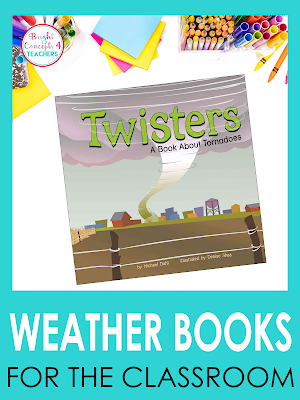
book about tornadoes

Twisters by Rick Thomas

Summary: Dive into the fascinating world of tornadoes with this informative book. Learn about how tornadoes form, their impact on the environment, and safety tips for staying prepared.

Reason to Love It: Rick Thomas presents complex scientific concepts in a clear and accessible manner, making it perfect for introducing elementary students to the wonders of tornadoes. The vivid illustrations further enhance understanding and engagement.


book about tornadoes for kids

Eye of the Storm by Rick Thomas

Summary: Follow a young girl named Alice as she experiences the eye of a hurricane firsthand. Learn about the calm center of the storm and the chaos that surrounds it.

Reason to Love It: This story skillfully blends narrative storytelling with scientific facts, offering readers a captivating glimpse into the dynamics of hurricanes. This book encourages empathy and understanding of natural disasters.


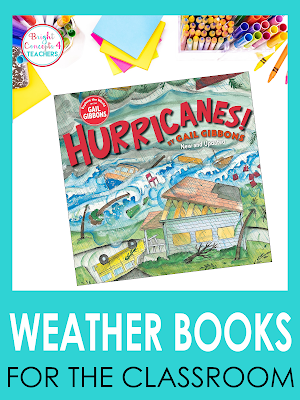
book about hurricanes for kids

Hurricanes by Gail Gibbons

Summary: Explore the powerful forces of hurricanes with Gail Gibbons' informative text and vibrant illustrations. From formation to aftermath, this book covers all aspects of these awe-inspiring storms.

Reason to Love It: The meticulous research and engaging writing style make complex topics accessible to young readers. This book serves as an excellent resource for deepening students' understanding of hurricanes.


Book about thunder

The Wonder of Thunder by Sharon Purtill

Summary: Discover the mystery and majesty of thunderstorms with this poetic exploration. From the rumble of thunder to the flash of lightning, each page is filled with awe and wonder.

Reason to Love It: The lyrical prose and inspiring illustrations capture the essence of thunderstorms, igniting the imaginations of young readers. This book celebrates the beauty and power of nature in a way that resonates with both children and adults.


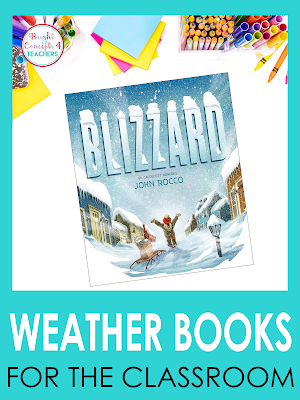
book about blizzards for children

Blizzard by John Rocco

Summary: Experience the magic of a winter blizzard through the eyes of a young boy named John. As snow piles up outside, John embarks on a thrilling adventure in the wintry landscape.

Reason to Love It: This autobiographical account of a blizzard the author experienced as a child is filled with nostalgia and wonder. Through his vivid storytelling and stunning illustrations, readers will be transported into the heart of a snowstorm.


book about weather for children

Everything Weather by Kathy Furgang

Summary: Jump into the fascinating world of weather with this comprehensive guide. From sunny skies to raging storms, explore the science behind weather phenomena and how they impact our daily lives.

Reason to Love It: This well-organized book covers a wide range of weather topics in an engaging and informative manner. With detailed explanations and fun facts, it serves as an invaluable resource for curious minds eager to learn more about the wonders of weather.

Incorporating these seven read-aloud books into your classroom curriculum will not only enhance your students' understanding of weather but also foster a lifelong love for learning. Happy learning!

       {DON'T FORGET IT! PIN IT!}
weather books for kids


Springtime Learning: Engaging Activities for the Elementary Classroom

Earth Day and Spring Ideas for elementary classes

As the flowers bloom and the birds chirp, it's time to infuse your classroom with the spirit of spring! With the arrival of this vibrant season, elementary teachers have so many opportunities to engage young minds while celebrating the beauty of nature and fostering essential skills. From art projects to math activities and everything in between, here are some delightful spring-themed activities to enrich your curriculum and keep your students excited about learning.

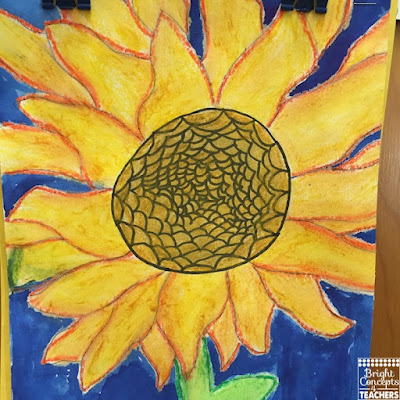
spring art ideas

Embrace the sunny vibes of spring with sunflower directed drawings! Guiding students through the steps of drawing a bright and cheerful sunflower not only encourages creativity but also helps develop their fine motor skills. Plus, it's a wonderful way to incorporate elements of nature into your art curriculum. Read the blog post for more details: Sunflower Directed Drawings

math basic facts

Combine the freshness of spring with essential math skills through engaging math crafts. From creating flower patterns to modeling addition and subtraction skills, these hands-on activities make learning math fun and tangible for young learners. Ready to learn more? Grab your freebie craft here

second grade grammar and math worksheets

For busy teachers seeking convenient resources, no-prep worksheets offer a quick and effective way to reinforce grammar and math concepts. With spring-themed worksheets featuring engaging puzzles to enhance vocabulary, review skills and helping them work independently or in small groups, they will  keep your students engaged while reviewing essential skills. Get more details here.

Earth Day

Celebrate Earth Day by engaging students in activities that promote environmental awareness and stewardship. From planting seeds in biodegradable pots to conducting nature scavenger hunts, these activities encourage students to appreciate and protect our planet while learning about ecology and sustainability.


Incorporate technology into your spring curriculum with Boom Learning activities that offer interactive and engaging learning experiences. Whether practicing grammar skills with digital flashcards or reviewing fact and opinion skills, these activities cater to diverse learning styles and preferences.

Directed Drawings for Spring

This is an oldie but a goodie in my classroom! Add a touch of whimsy to your art lessons with pop art bunny drawings! I originally discovered this idea on Pinterest from TeachStarter a gazillion years ago. I adapted the original idea to work for my students. I am happy to let you know that TeachStarter offers the templates for FREE! Hop on over to their site to grab them. This year I used AstroBrights neon cardstock for a POP of color. I just love how they turned out!

science integration

Take a multidisciplinary approach to learning with spring paper bag books that cover a range of topics, including Earth Day facts, the life cycle of a chicken, the water cycle, and different types of clouds. By integrating reading, writing, and science content into a single project, students gain a deeper understanding of seasonal themes and concepts.

Incorporating these spring activities into your lesson plans can breathe new life into your classroom and ignite a sense of wonder and curiosity in your students. Whether exploring the beauty of nature through art, reinforcing academic skills through hands-on projects, or fostering environmental consciousness through themed activities, there's something for every teacher and student to enjoy as we welcome the arrival of spring. Let the learning blossom!

{DON'T FORGET IT! PIN IT!}


10 Delightful February Read-Aloud Books

February books for the elementary classroom

February is a month full of love, history, and celebration! This makes it the perfect time to find all those special read aloud books and get your students excited to learn! Let's gather our eager learners and take them on a journey through these ten delightful read-aloud books, each with its unique charm and valuable lessons. All the books below come with an affiliate link to Amazon.

February Read Alouds

Groundhog's Day Off by Robb Pearlman
Summary: What if the groundhog decided to take a vacation from his annual duties? This hilarious tale follows Groundhog as he takes a much-needed day off, causing quite the commotion in the town.

Reason to Love it: Groundhog's Day Off brings humor and a fresh perspective to the traditional Groundhog Day concept. This story will keep your students engaged while teaching them the importance of taking breaks and enjoying life's simple pleasures.

February Read Alouds

Summary: Mr. Hatch lives a lonely life until one day he receives a mysterious package with a note that reads, "Somebody loves you." This heartwarming story unfolds as Mr. Hatch discovers the true power of kindness and community.

Reason to Love it: This touching tale highlights the significance of compassion and the positive impact small acts of kindness can have on someone's life. It offers an excellent opportunity for discussions about empathy, friendship, and spreading love.

February Read Aloud books

Mr. Lincoln's Whiskers by Karen B. Winnick
Summary: This fascinating historical fiction revolves around an eleven-year-old girl who writes a letter to Abraham Lincoln, suggesting he grow whiskers. To her surprise, she receives a response from the President himself!

Reason to Love it: Mr. Lincoln's Whiskers blends history and fiction, making it a compelling read for children. It introduces them to the power of ideas and how young voices can have a meaningful impact on the world.

February Read Aloud books

 A Crankenstein Valentine by Samantha Berger
Summary: The Crankensteins are back, and this time, they're not feeling the love on Valentine's Day! Join them on their comical quest to find something to love amidst the mushy holiday.

Reason to Love it: This fun and quirky book offer a lighthearted take on Valentine's Day, perfect for relieving any holiday-induced stress. It emphasizes finding joy in unexpected places and showcases the importance of embracing one's uniqueness.

February read aloud books

George Washington's Teeth by Deborah Chandra and Madeleine Comora
Summary: Discover the quirky story behind George Washington's false teeth, made from various materials like hippo ivory and horse teeth.

Reason to Love it: This historically accurate yet amusing account of a significant figure's dental journey will have children giggling while learning about American history and how myths can develop.

February read aloud books

The Runaway Wok by Ying Chang Compestine
Summary: This story follows the adventures of a young boy who discovers a magic wok capable of providing endless food. However, he learns the importance of sharing when the wok vanishes.

Reason to Love it: This culturally rich tale introduces students to Chinese traditions and values while imparting a valuable lesson about the rewards of selflessness and community spirit.

February books for the elementary classroom

Valensteins by Ethan Long
Summary: The town of Frightsville dreads Valentine's Day, especially when the Valensteins (Frankenstein's monster-like creatures) appear. But one brave girl is determined to show them the true meaning of the holiday.

Reason to Love it: This story cleverly combines a spooky theme with a heartwarming message about acceptance, friendship, and the power of love to conquer fear. It's a fantastic way to celebrate both Valentine's Day and individuality.

February books to read in the elementary classroom

Dragons Love Tacos by Adam Rubin
Summary: Dragons love tacos, but there's one thing they can't handle – spicy salsa! Follow along as a boy hosts a taco party for dragons and navigates this fiery predicament.

Reason to Love it: This story is a whimsical and entertaining story that sparks children's imagination. Its humorous plot teaches them about consequences and the importance of paying attention to detail.

books about presidents

Summary: Delight in the hilarious tale of President Taft getting stuck in his bathtub and the various comical attempts to rescue him.

Reason to Love it: This historical fiction injects humor into the life of a former president, bringing history to life for young readers. It also reminds children that everyone, including notable figures, has their quirks and funny moments.

February books

Grace for President by Kelly DiPucchio
Summary: When Grace learns there has never been a female president, she decides to run for school president to pave the way for future female leaders.

Reason to Love it: Grace for President empowers young readers by showing strong, determined female characters and encouraging them to dream big. It's a wonderful book to inspire discussions about leadership, equality, and making a difference.

Happy reading and enjoy the adventure of storytelling with your students this February!

{DON'T FORGET IT! PIN IT!}