Showing posts with label Back To School. Show all posts

Engaging Back To School Icebreaker Activities For The Elementary Classroom

The first week of school is always a whirlwind of excitement, nerves, and new experiences. Our students walk through the door carrying big feelings, big hopes, and big questions about what this new year will bring. That’s exactly why I rely on meaningful, engaging icebreakers to set the tone. These simple activities do far more than fill time—they help students feel seen, connected, and ready to learn. Over the years, I’ve found that the right icebreakers transform those early days into a foundation for confidence, community, and curiosity. Here are some of my favorite icebreaker activities to use during the first week of school.


All About Me Class Pennants

One of my favorite ways to keep the first week running smoothly is with this All About Me Student Pennant and First Week of School Packet. These pages are truly grab‑and‑go—just print and pass out. Students stay engaged from the moment they begin coloring, writing, and sharing their interests, and the finished pennants make an instant, meaningful classroom display. The packet is filled with simple, kid‑friendly activities that help students open up, build confidence, and connect with their classmates without any extra prep on your part. It’s an easy, high‑impact way to learn about your new learners while keeping the week fun, structured, and stress‑free.

Back To School This or That Game

The first few days can feel overwhelming for elementary students, especially when everything—from the classroom layout to the faces around them—is brand new. Icebreakers give students something enjoyable and low‑pressure to focus on. A favorite way to break the ice is with a Back‑to‑School This or That / Would You Rather Game, where students choose between silly, relatable options like “pencils or markers” or “kickball or soccer.” As they move to different sides of the room based on their choices, they start laughing, talking, and discovering classmates who share their interests. This simple movement‑based activity pulls students out of their shells and into the moment, helping them feel comfortable and excited to be part of the class.

All About Me Four Corners

Students learn best when they feel connected to the people around them. The All About Me Four Corners Icebreaker Game is perfect for this. Students choose a corner that matches their answer to prompts about hobbies, favorite foods, school activities, and more. Once they’re in their corner, they chat with classmates who chose the same answer. These early conversations help students practice listening, speaking, and social skills while building trust and comfort with one another. When students feel connected, they participate more, take risks, and engage deeply in academic tasks.

Back To School Photo Booth Props

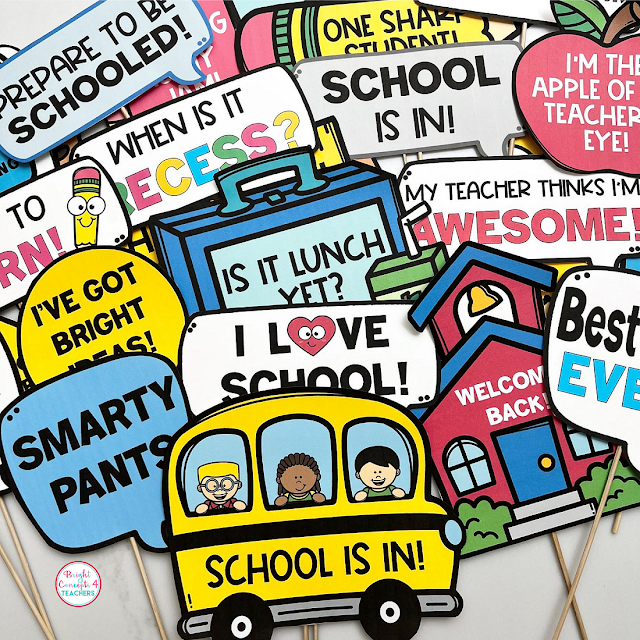
Build classroom community with these Back To School Photo Booth Props. They are guaranteed to help students feel more comfortable in their new classroom and also make an adorable bulletin board and gift for parents. Send the pictures home with your students to build the class to home connection from the first day!

Find Someone Who

Another easy option is Find Someone Who, a back‑to‑school classic that gets students moving around the room to find classmates who match prompts like “has a pet,” “loves math,” or “has lost a tooth.” I give each of my students a copy of the phrases and have them find someone who matches each statement. When they find someone, they stop and chat to learn more about one another. I love the instant connections this activity creates. Can you use this activity in your classroom? Enter your info below and I will send this goodie your way!

Two Truths and A Lie

One of the best parts of using icebreakers during the first week is how simple they are to set up. Many require only basic materials or a quick list of prompts. Two Truths and a Lie is a perfect example. Students think of two true facts and one silly made‑up detail about themselves, and the class tries to guess which one is the lie. It’s quick, fun, and requires zero prep.


Icebreakers aren’t just fun activities—they’re powerful tools that help students feel safe, connected, and ready to learn. When we take time to build relationships and community during the first week, everything else becomes easier. The routines stick. The learning deepens. The classroom feels like home. And our students walk into each new day knowing they belong. Let me know which activity is your favorite in the comments below.


Collaborative Learning: Student Groupings Made Simple

how to create student pairs

How many times have you taught a lesson where students need to form a group or pair up with one another and you hold your breath because you just aren't sure how this is going to work? Usually students pair up with their bestie, don't even move from their seat, or argue with one another. As a student, my stomach would drop when my teacher would say, "Find a partner." Can you relate? In this  post, you will learn why student groupings are important, a few easy and effective ways to make student groupings, and ways to use student groupings to enhance the learning in your classroom.
WHY STUDENT GROUPINGS MATTER

1. Diverse Perspectives: Partnering or grouping students diversifies the range of perspectives that contribute to discussions and problem-solving. This exposure to different viewpoints allows students to learn from one another's unique insights.

2. Collaborative Skills: Collaboration is a skill that extends far beyond the classroom. By working together on tasks and activities, students develop essential skills like communication, compromise, and teamwork that are invaluable in their future.

3. Peer Teaching: When students collaborate, they often teach each other in informal ways. This strengthens their understanding of the material as they explain concepts to their peers, reinforcing their own learning while building confidence.

4. Increased Engagement: Collaborative activities break the monotony of traditional teaching methods. Students become more engaged as they actively participate, share ideas, and contribute to their peers' learning experiences.

5. Sense of Belonging: Partnering or grouping students creates a supportive environment where they can connect with their peers. This sense of belonging enhances their overall well-being and encourages them to express their thoughts and opinions without fear.


WAYS TO USE STUDENT GROUPINGS

1. Group students randomly.

2. Pair students who have things in common, but may not realize it yet.

3. Combine students who have mastered concepts with students who are still struggling.

4. Pair a patient student with student with behavior concerns.

5. Pair struggling students together to practice reading or math fluency.


CREATE THE PERFECT STUDENT GROUPINGS

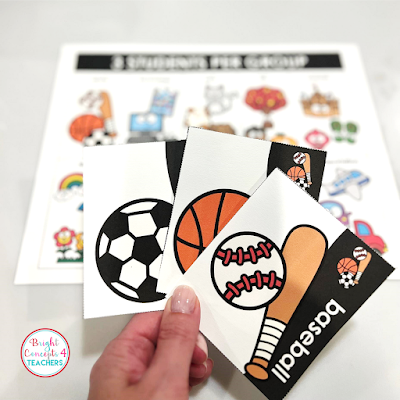
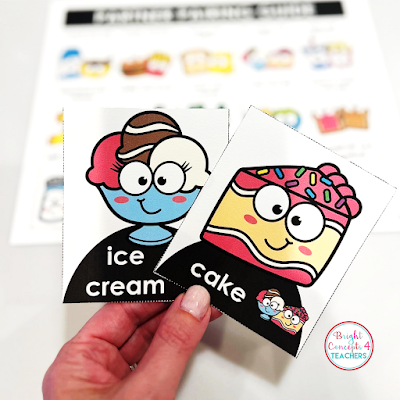
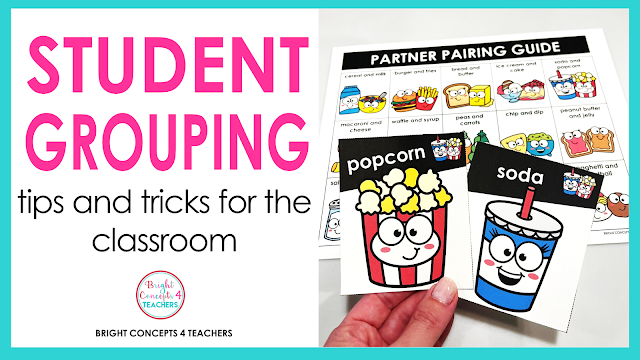
Using partner cards or student grouping cards is the perfect way to eliminate the chaos when creating collaborative groups. You can pre-plan groups OR you can randomly hand out picture cards and have them find their partner or group.

student grouping cards

1. Pre-planned Groups: To use this strategy, make a list and hand out one of the picture cards to each pair or group of students. It appears "random" to the students, but you have strategically grouped them!

2. Random Groups: Looking for something less structured? Randomly hand out a picture card to each student and watch them pair up. This method allow students to work together who may not normally choose one another, yields itself to collaboration, and provides structure when grouping students. 

Student Grouping Cards

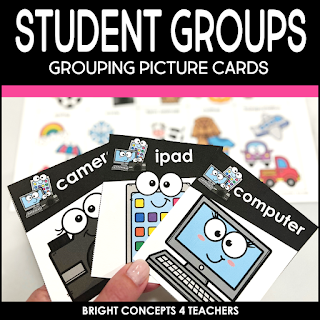
These picture grouping cards are perfect to create pairs, groups of 3, 4, 5, or 6 students. Each card has a large picture, written word, and small picture of the pairings and comes with answer posters. These cards can be laminated and/or glued onto popsicle sticks to make it easy for students to hold. All of these tools are part of the Student Grouping Cards resource.


Incorporating student partnerships and groups into your classroom doesn't have to be complicated. Collaboration is a crucial life skill and as educators it is our job to help our students learn the skills to do it successfully. I hope these tips and tricks help you to effectively utilize groupings in a meaningful way into your classroom. 

{DON'T FORGET IT! PIN IT!}


Read Alouds To Teach Rules and Expectations

Rules and expectations read alouds

At the beginning of a new school year, it is always important to create a positive and inclusive classroom community. A crucial step towards achieving this is by establishing clear rules and expectations right from the start. To make this process more engaging and enjoyable for your students, incorporating read-aloud books into your lessons can be an effective strategy. I have put together a list of the best read-aloud books that not only convey important lessons about rules and expectations but also help build a strong classroom community. All the books below come with an affiliate link to Amazon.

Books about rules and expectations in the classroom

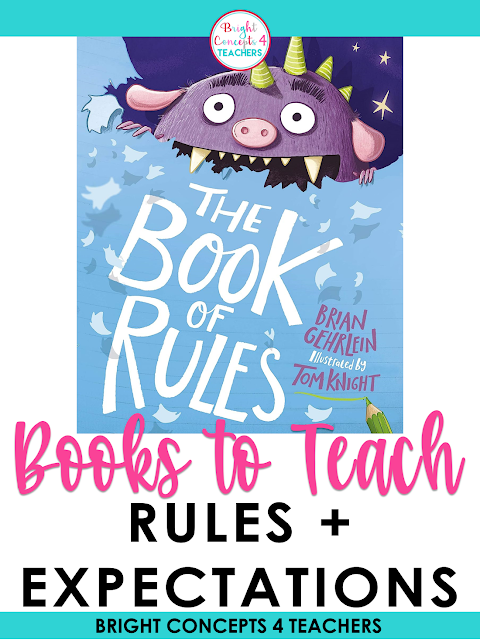
This book is an excellent starting point for discussing classroom rules with your students. This clever and interactive book introduces a range of rules through witty rhymes and colorful illustrations. By exploring different scenarios, it encourages students to think critically about why rules are necessary for a harmonious learning environment. The book also encourages students to contribute their ideas, fostering a sense of ownership in the rule-making process.


books to teach rules and expectations for the classroom

In this thought-provoking read-aloud, Ellen Javernick explores the impact of our actions on others. It helps students understand the consequences of not following the rules and highlights the importance of making responsible choices. Through engaging illustrations and relatable examples, "What If Everybody Did That?" teaches empathy and encourages students to consider how their actions can contribute to a positive classroom environment.


books to teach rules and expectations in the classroom

This book takes a humorous approach to address the common tendency among some students to believe rules don't apply to them. By sharing the story of a mischievous young boy named Noodle, the book highlights the importance of respecting and following rules. Through Noodle's experiences, students learn valuable lessons about the benefits of rules and the consequences of disregarding them.


books to teach rules and expectations

This story is an engaging read-aloud that introduces essential classroom rules in a relatable and entertaining manner. With lively illustrations and a lovable protagonist named Percy, this book addresses various scenarios that students may encounter during the school day. By focusing on the positive outcomes of following rules, it motivates students to embrace responsible behavior and create a supportive learning environment together.


books to teach rules and expectations

This heartwarming story of a safety officer and his trusty canine companion, Gloria, emphasizes the significance of teamwork and following safety rules. Officer Buckle's presentations at school become engaging and memorable when Gloria starts acting out each rule, leaving the students in giggles. This book encourages students to actively participate in rule discussions, promotes cooperation, and demonstrates the value of everyone's contributions to the classroom community.


Books to teach rules and expectations


This books offers a fresh perspective on the importance of communication and problem-solving within the classroom. Through an imaginative narrative, Julia Cook explores the concept of tattling versus reporting and encourages students to think before they speak. By promoting open dialogue and teaching conflict resolution skills, this book fosters a sense of trust and understanding among students, allowing for a more cohesive classroom environment.


classroom rules and expectations books

In this delightful and creative story, students learn about the boundaries and responsible use of classroom materials. The story follows a young boy named Matty who becomes overly enthusiastic with glue during an art project. The book highlights the importance of following instructions and demonstrates the impact of our actions on the learning experiences of others. It promotes responsibility, respect, and self-regulation among students.


books to teach rules and expectations in the classroom

This story is a humorous tale that explores the concept of respectful communication and active listening. With colorful illustrations and an endearing father-daughter relationship, this book helps students understand the importance of taking turns and showing respect for others' ideas. By encouraging patience and empathy, it strengthens the sense of community in the classroom and fosters a positive learning environment.


Using read-aloud books to introduce and reinforce rules and expectations is a powerful tool for elementary teachers. By incorporating these stories into your lessons, you can create an engaging and supportive learning environment where students thrive both academically and socially. Happy reading!

{DON'T FORGET IT! PIN IT!}


12 Amazing Back To School Amazon Teacher Finds

Amazon Back To School Classroom Finds

With the excitement of a new school year quickly approaching, I think it is safe to say that most teachers can relate to the joy and sorrow that comes with purchasing new supplies for the classroom, as we turn the calendar to August. The list of "to-dos" and supplies to gather can be overwhelming. To help you navigate this emotion-filled time of year, I have put together a list of 12 amazing back-to-school items that will provide smooth sailing into the start of the new school year. Each item is something I use in my own classroom and I could not imagine teaching without it. I hope this list helps you find some inspiration for your classroom too. All the items below come with an affiliate link to Amazon.
 
Automatic pencil dispenser
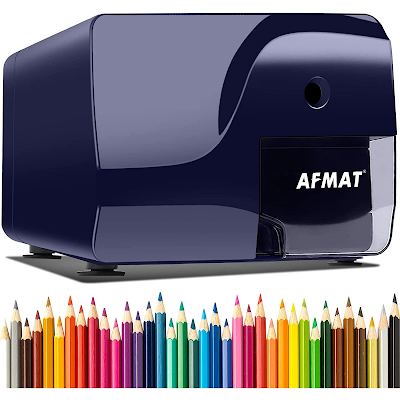
Pencil Dispenser: This fun pencil dispenser is a great way to get students excited when they earn a special visit to it for good choices in my classroom. Students  never know when they will get the opportunity. But this pencil holder is always on my desk so I can monitor its use. 

Classroom Paper Organizer
Student Classroom Organizer: This is a classroom MUST HAVE! I don't think I could live without it. I number the cubbies to match each student number. Students are then responsible for filing their graded papers to go home at the end of the week. It helps keep their desks clutter-free and it saves me time filing their papers. There are many different versions of this out on the internet. I found this to be the most sturdy and durable. I have had it for years and love its versatility!


amazon teacher finds colored pencil sharpener
Colored Pencil Sharpener: Best colored pencil sharpener hands down! Some people may think I am excessive when it comes to pencil sharpeners BUT I have very good reasons for it. In my 20+ years of teaching, I have tried it all. I have purchased and broken SO MANY pencil sharpeners in my teacher career. What I have come to discover is that I need 3 different pencil sharpeners in my classroom! Here is what each is used for exclusively: 
1. Yellow pencils only
2. Colored pencils only
3. Crayons
Students are not allowed to use them! Only myself or another trusted adult can use them. This strategy seems to make the sharpeners last longer and I don't have to replace them for years! So as crazy as it sounds, this is my plan and I am sticking to it!


headphone zipper pouches
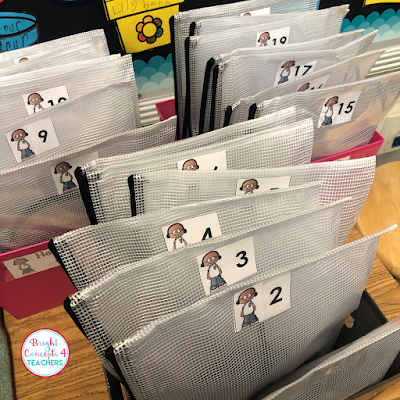
Headphone Pouches: These heavy duty zipper pouches are PERFECT for student headphone storage. They are durable and last all year! I label each pouch with numbers to correspond with each students' number and they are placed in bins at the end of each day. It helps to make sure they don't get lost or misplaced. 
headphone storage bins
Headphone Storage Bins: I use these collapsible storage bins to keep the headphone pouches organized. This allows for easy storage at the end of the year too! I just fold them up and flatten them to go into a cupboard. 


student supply boxes

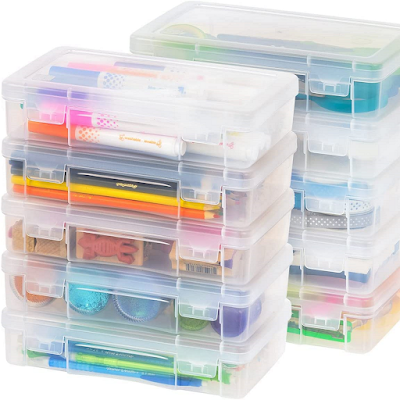
Student Supply Boxes: Over the years, I have tried every kind of supply box possible. These are by far the easiest for students to open and close. They are durable and I don't have to replace them half way through the year. I also love the smooth lid. This makes it easy to apply student name tags and labels. My students keep their crayons, scissors, dry erase markers, correcting pens etc. in here. NO PENCILS! See why with my next Amazon find. 


zipper pencil pouches
Pencil Pouches: Although my students each have a plastic supply box in their desks, I also give them one of these zippered pencil pouches for 5 pencils and an eraser ONLY! At the end of each week, I have a student helper gather the pouches and sharpen any pencils that are dull or broken. If a student has all 5 pencils in their pouch, at this time, they get a reward. It could be a reward tag, classroom cash, table points etc. This is a great individual motivator and the students love the surprises they can receive.


crayola crayon sharpener
Crayon Sharpener: This is a must have sharpener in the classroom too! Once again, only an adult should use it to maintain its longevity! I remember as a kid, I hated using unsharpened crayons. I loved the built in sharpener in my Crayola crayon box. Now all my students can have sharp crayons year round!


bulleting board alternative

Bulletin Board Strips: If you don't have a lot of bulletin board space in your classroom, like me, these self adhesive bulletin board strips are a game changer. I have one of these up on my cupboard doors for each of my students. It makes displaying work easy and it can be changed out quickly too!


take home folders
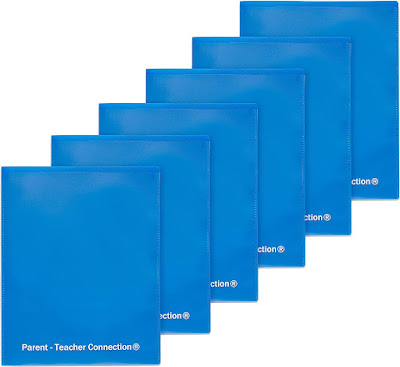
Student Take Home Folders: These are by far my favorite take-home folders I have found. They are made of heavy duty plastic and have two pockets on the inside. But what I love most about these folders are the plastic outside sleeves on the front and back of each folder. This lets me personalize and customize the folders for my students' needs. On the cover, I include the student's name, log in information, frequently used website links, writing strategies and our sound spelling cards for reference. On the back of the folder are common math strategies and vocabulary we use throughout the year. Take a closer look at the FOLDER COVERS that are available for primary and intermediate grade levels HERE.


Individual Student Dry Erase Boards: If you don't have a class set of dry erase boards, make sure to grab them before the new school year starts. We use these several times every day in class. I love that this set comes with individual erasers too! But, if they get lost, a piece of felt cut into squares does the job too!


elementary student composition books
Primary Composition Notebooks: It took me awhile to finally start using these primary lined composition notebooks in my classroom. But as soon as I found them, I was hooked. For kindergarten, first and second graders these notebooks are fabulous because of the dotted lines provided for the students to write on. It helps them with spacing and correct letter formation. Regular wide-lined composition books don't cut it, when these primary lined notebooks are available. Give them a try. You will be hooked too!

I hope this list gives you some great ideas for your classroom. Don't forget to check out my full list of classroom supplies, HERE.

Happy Teaching!


{DON'T FORGET IT! PIN IT!}


RELATED BLOG POSTS:


Back To School: Tips To Make It Stress-Free

Back to school ideas


As the summer break draws to a close, it's time for all teachers to gear up for a new academic year. The back-to-school season can be exciting but also overwhelming for both teachers and students. However, with the right approach and some helpful strategies, you can create a stress-free and positive environment that sets the tone for a successful school year. I am going to share several valuable tips and creative ideas to help you kickstart the year with ease and enthusiasm.

Prepare Ahead of Time
One of the key elements in reducing stress is adequate preparation. I always start planning and preparing in May of the previous school year. I know this is not for everyone. However, it works for me and helps me have a stress-free summer. What is most important is that you set aside time before school starts to organize your classroom, arrange supplies, and create a welcoming atmosphere. This will ensure a smooth transition for both you and your students on the first day. Plan your lessons and activities for the initial weeks to create a warm and inclusive environment.

labels on folders

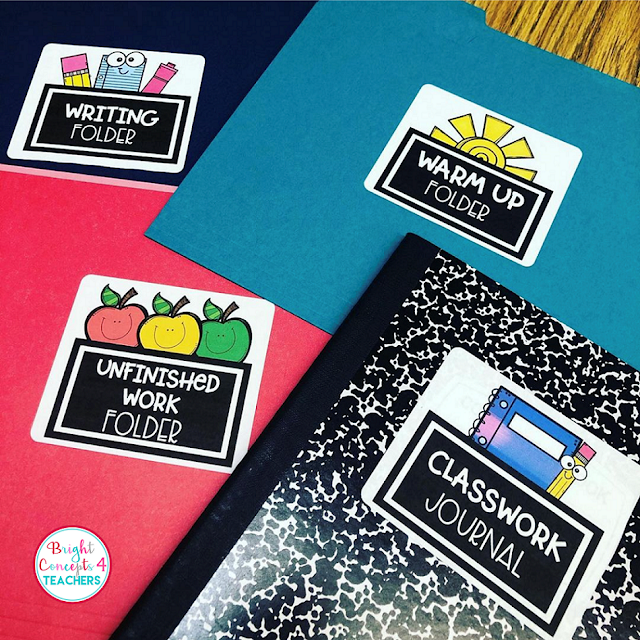
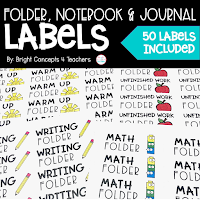
At the end of the school year, I label and color code all the folders and notebooks I will be using with my students for the following year. This makes it easier for me when I go into school to set up my room and it helps my students to find their supplies easily in their desks. Sometimes I use two different size labels depending on what I need them for:

classroom labels  labels for folders, notebooks and journals


I also prepare my students' take home folders ahead of time. I make sure to purchase the folders with a plastic sleeve on the front and back of the folder. These folders allow me put all the learning tools they will need in one place. The front covers are editable to add the student's name, login information, teacher information and more. I have included tools for primary and intermediate grades, so you can choose what works best for your classroom. 

Establish Routines and Procedures
Creating a structured classroom environment from day one helps students feel secure and confident. Establish clear routines and procedures for everyday activities, such as lining up, transitions between subjects, and getting supplies. Communicate these expectations effectively, both verbally and through visual cues, so that students understand and follow them consistently.

Classroom number sticks
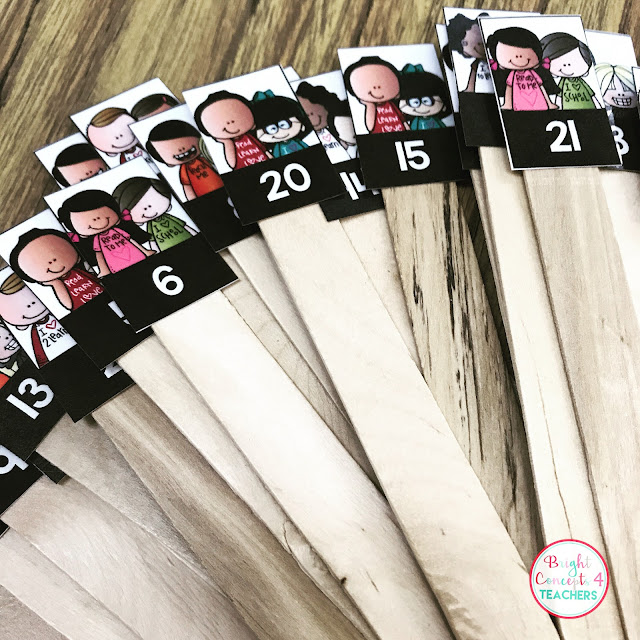
I use student number sticks for just about everything in my classroom. On the first day of school, each student is assigned a number for the year. This number is used when I file papers, to call on students, to get supplies and computers. Sometimes I even use them to have the students line up. It is such an easy and versatile tool to use for so many things!

math toolkit and reference cards


math manipulatives
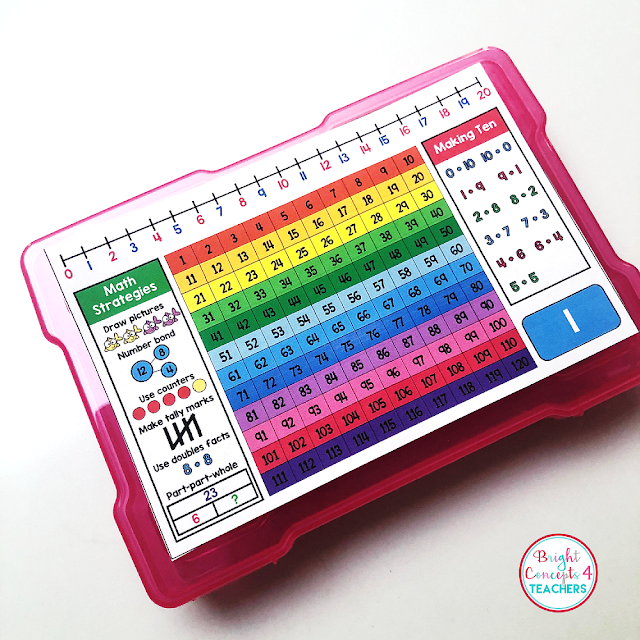
To keep student math supplies organized, I create individual supply boxes for my students. The outside of each box has a number on it. This number corresponds to each students' classroom number. This helps everyone to keep track of their materials. It also has frequently used math strategies for easy reference. Inside each box are math manipulatives they will need during our unit of study and reference cards with key strategies and vocabulary terms. I love these toolboxes because it cuts down on passing out and collecting math manipulatives dramatically.


Foster Positive Relationships
Building strong relationships with your students and their parents is crucial for a harmonious classroom environment. Take time to learn about your students' interests, strengths, and challenges. Create opportunities for open communication, such as parent-teacher conferences or newsletters, to keep parents informed and involved. A supportive network between teachers, parents, and students greatly contributes to a stress-free start.

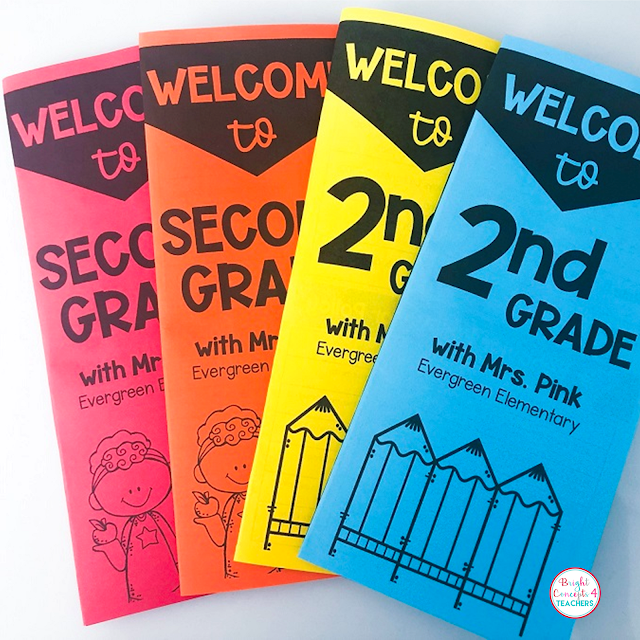
The first week of school, I send home these Back To School brochures with my students. I make sure to include important information about expectations and procedures, supply lists, contact information and more! The parents love them because everything they need to know is in one place and in a short and concise manner. I also have a classroom website I refer parents to for more detailed information about curriculum, ways to help their child at home, enrichment activities and more.

Encourage Teamwork and Collaboration
Promote a sense of community within your classroom by fostering teamwork and collaboration among students. Incorporate ice-breaking activities, team-building exercises, and cooperative learning opportunities to help students get to know each other and build trust. Encouraging a friendly and inclusive atmosphere will not only reduce stress but also create a supportive learning environment.

Back to School Signs and Bulletin Board Ideas
I love to create a sense of classroom community starting with the first day of school. I always take a first day of school picture of my students to send home to families right away. Creating memories and making the first few weeks of school unforgettable for students is crucial to fostering those new relationships. These photo booth props are also a fun activity for students and their families for Meet the Teacher, Back To School Night, Open House and the first day of school! 

Embrace Flexibility
It's essential to be flexible and adaptable as a teacher, especially during the back-to-school period. Unexpected situations always arise, and plans might need adjustments. Embrace the idea that not everything will go exactly as planned, and be open to changes. Having a flexible mindset will help you navigate any challenges with ease and maintain a stress-free environment for both you and your students.

Take Care of Yourself
Remember that self-care is essential to your overall well-being as an educator. Prioritize your physical and mental health by setting aside time for activities you enjoy outside of work. Engage in hobbies, practice self-reflection, exercise, and maintain a healthy work-life balance. By taking care of yourself, you'll be better equipped to handle the demands of the school year and provide optimal support to your students.

The back-to-school season can be a stress-free and positive experience for everyone. With a little preparation, some self-care and flexibility you can start the school year off on the right foot. Remember, a stress-free start sets the foundation for a successful and fulfilling academic year. Wishing you all the best as you start this exciting journey with your students!

{LIKE THIS POST? DON'T FORGET IT! PIN IT!}